LEGO MindStorms EV3 – Align with a Line

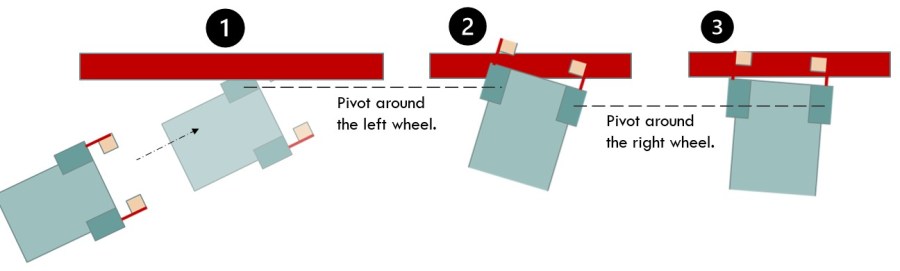
In the previous post, I introduced how to make LEGO EV3 follow a line by using proportional control, or more advanced PID control method. I also explained how to square up with a wall. In the real scenario, the robot also needs to square up with a line. Unlike squaring up with wall, there is …
Continue reading LEGO MindStorms EV3 – Align with a Line

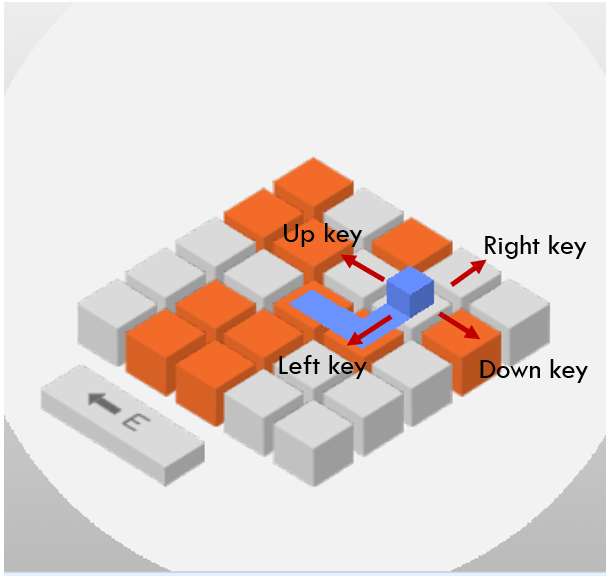
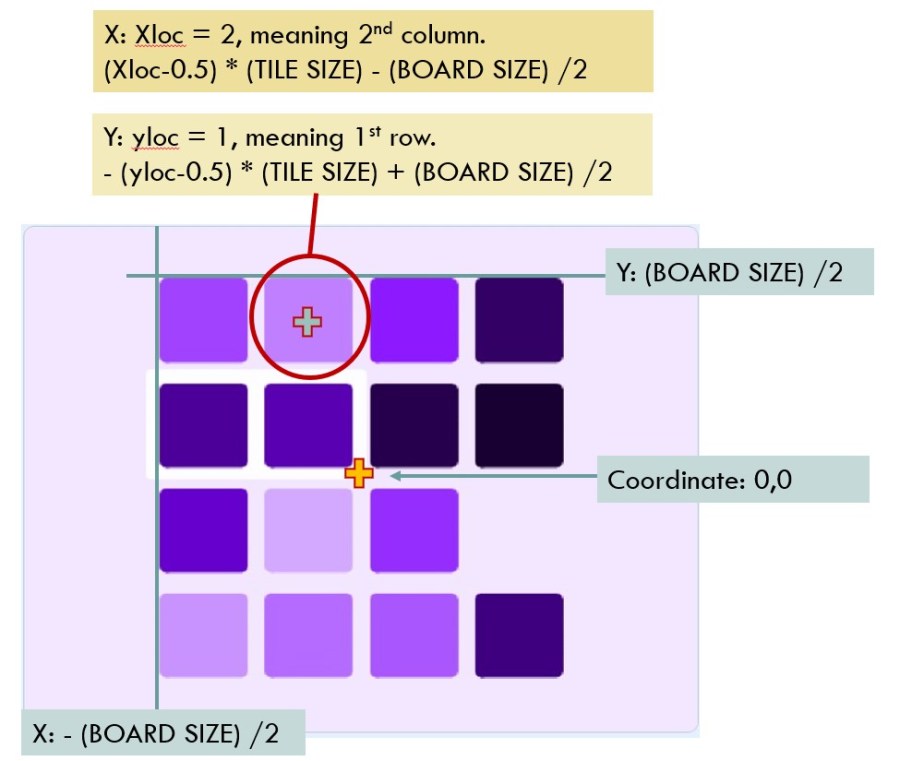
Learning Scratch by Reading and Analyzing Others’ Project – Fill a Puzzle Game

In my previous post, I once analyzed an interesting game - Grids the Puzzle Game. The author uses lists to store the data, update data and check data, which is a good example of list usage. In this post, I will explain another way to implement the same functionality and then compare the difference of …

Continue reading Learning Scratch by Reading and Analyzing Others’ Project – Fill a Puzzle Game

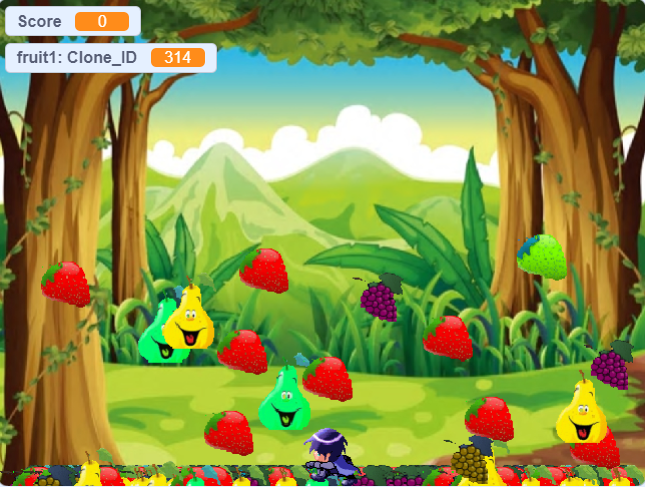
Tips and Tricks of Developing Games with Scratch – Use of Clone

Clone functions are used widely when we design Scratch projects. We could use "create clone" to create multiple sprite clones with similar appearance or behaviors. For example, in a star war game, we could use clones to create multiple enemy missiles. In a fish eating game, we could use clones to create a school of …

Continue reading Tips and Tricks of Developing Games with Scratch – Use of Clone