LEGO Spike Prime – Explanation of Accelerometer Data and Line Graph Analysis

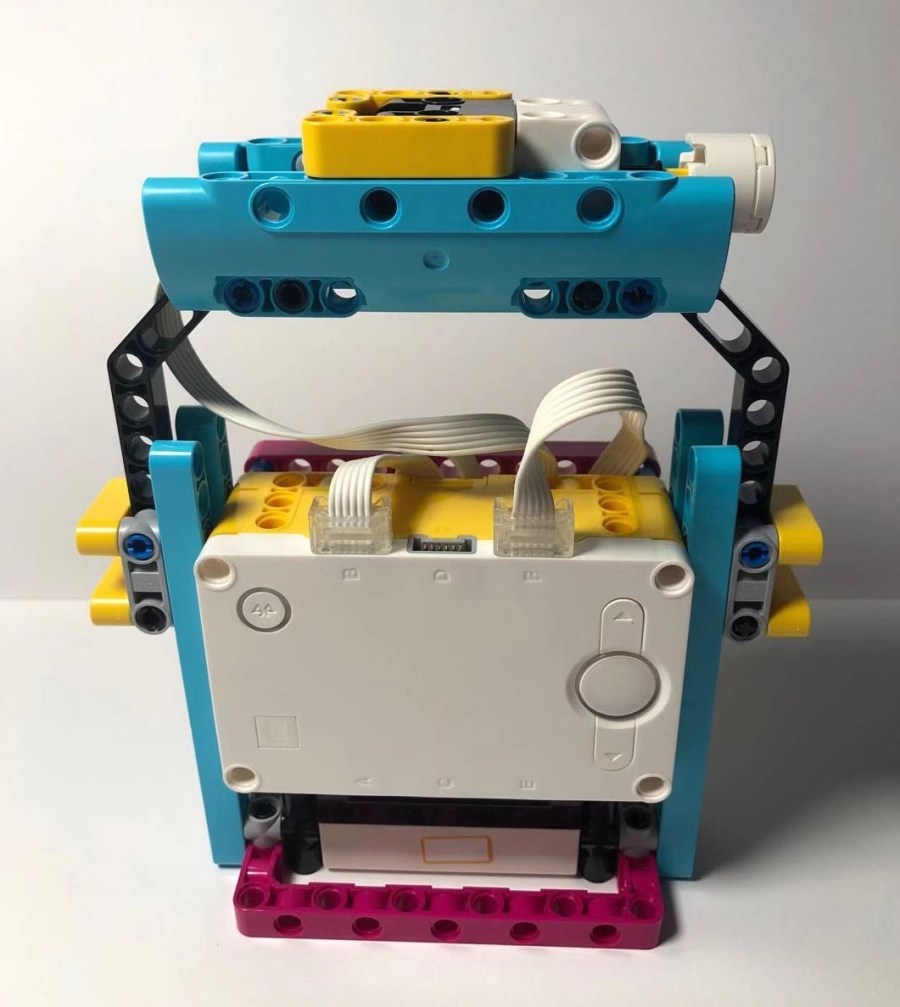
In the App of LEGO Spike Prime, there is an advanced unit category which creates different devices, logs and analyzes gyroscope or accelerometer data. In today's post, I will use the same model of "Build a Smart Kettlebell" project and introduce how to read and analyze the recorded accelerometer data. I will also update the …

Continue reading LEGO Spike Prime – Explanation of Accelerometer Data and Line Graph Analysis
Use Scratch 3.0 to Make Scrolling Platformer Game – Part 4, Convert to Static Platformer Game

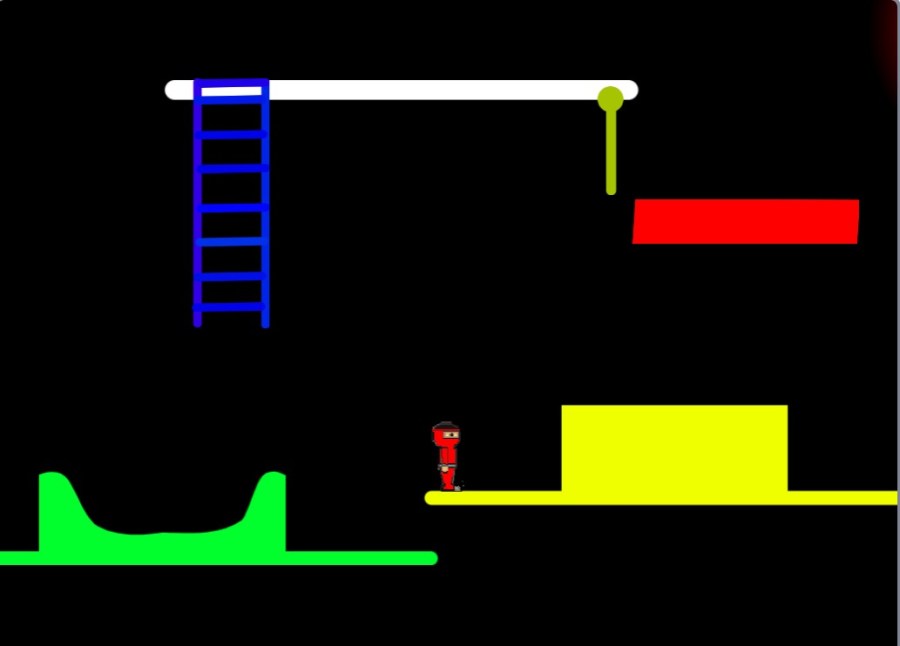
In my previous posts, I explained some key issues when developing a scrolling platformer game by following YouTube tutorial video clips. So how about designing a static platformer game? Static and scrolling platformer game have different characteristics, however, if you have developed a scrolling platformer game, it is pretty easy to convert the code of …

Continue reading Use Scratch 3.0 to Make Scrolling Platformer Game – Part 4, Convert to Static Platformer Game

Use Scratch 3.0 to Make Scrolling Platformer Game – Part 3 – Add Costumes to Your Player

In my previous posts, I summarized some key points when following Griffpatch's online tutorial to design a scrolling platformer game. However, the Player in video clips is still of a rectangle shape, without any costume change. In many games, Player is a figure which has different poses of running, jumping or falling. How to add …

Continue reading Use Scratch 3.0 to Make Scrolling Platformer Game – Part 3 – Add Costumes to Your Player

Use Scratch 3.0 to Make Scrolling Platformer Game – Key Point Summary Part 2

In the previous post, I explained some confusing points in Griffpatch's Scrolling Platformer Tutorial Part 1 to Part 5. I will continue explaining some key points in video clips of Part 6 to 10 in this post. If you have watched the video clips of Part 1 to Part 5, you might have understood the …

Continue reading Use Scratch 3.0 to Make Scrolling Platformer Game – Key Point Summary Part 2

Use Scratch 3.0 to Make Scrolling Platformer Game – Key Point Summary Part 1

On YouTube, we could always find some excellent and free resources. Like the following one made by Griffpatch, who taught how to design a platformer game on Scratch. The full tutorial contains 10 episodes and I strongly recommend you to follow them step by step. If you keep patient, you could design an amazing scrolling …

Continue reading Use Scratch 3.0 to Make Scrolling Platformer Game – Key Point Summary Part 1

Use Scratch 3.0 to Make Multiple Player Game – Some Key Points

On Scratch 3.0, you might notice there is one type of variable: cloud variable. This option is available in Create Variable dialog. However, if you are a "New Scratcher", you will not see this option. So what is the purpose of using cloud variables? Usually we could store highest game score, the user name who …

Continue reading Use Scratch 3.0 to Make Multiple Player Game – Some Key Points

LEGO Spike Prime – “Translate” Programming Blocks into Python Code

In my previous post, I introduced how to set a mission for LEGO Spike Prime and implement the task with LEGO Spike programming blocks. As I mentioned before, Lego Spike Prime supports MicroPython pretty well. Most of the programming blocks could find corresponding Python functions. In this post, I will demonstrate how to "translate" my …

Continue reading LEGO Spike Prime – “Translate” Programming Blocks into Python Code

Learn Scratch 3.0 by Reading and Analyzing Others’ Project – Angry Bird Game

Did you play Angry Bird game on your phone? It was once popular and easy to get addicted. Now, let's learn how to implement a simple version by using Scratch 3.0. The original project could be found at https://scratch.mit.edu/projects/286172798 Since the original project contains some Chinese characters, I replaced them with English names and you …

Continue reading Learn Scratch 3.0 by Reading and Analyzing Others’ Project – Angry Bird Game

Play LEGO Spike Prime – Design a Mission for Your Robot at Home – Part 2

In the previous post, I introduced how to design a mission for the Lego Spike Prime vehicle at home and explained a sample program in detail. In this post, I would like to introduce mechaical structure of the model. Top View The top view of the model is shown below. It has a front attachment …

Continue reading Play LEGO Spike Prime – Design a Mission for Your Robot at Home – Part 2

Learn Scratch by Reading and Analyzing Others’ Project – a GomoKu Game – Part 2

In the previous post, I explained the backdrop sprite, Map sprite and Cursor sprite. In this post, I will explain the Rule sprite, which contains core algorithm of this game - how to judge who wins the game. I will also analyze the code of several other auxilliary sprites. So let's start! Rule Sprite There …

Continue reading Learn Scratch by Reading and Analyzing Others’ Project – a GomoKu Game – Part 2